
AIR CONDITIONING & MVHR SPECIALISTS IN LONDON
A more comfortable London starts here.
Air conditioning for London homes, apartments, offices and commercial buildings — from first survey and system selection to installation, repair and ongoing maintenance.
AIR CONDITIONING COMPANY LONDON
Start with the room that is uncomfortable — then work backwards.
Comfort is structured around the searches London customers actually make: installation, repairs, engineers, servicing, maintenance, residential air conditioning and commercial systems.
Rather than hiding everything behind one generic “HVAC” page, the site explains the problem, the property, the system choices and what happens next.
Air Conditioning Installation London
Survey, sizing, system selection, indoor and outdoor positioning, pipe routes, drainage and commissioning.
Air Conditioning Repair London
Not cooling, leaking, noisy, weak airflow, error codes, trips and intermittent faults.
Servicing & Maintenance
One-off servicing and planned maintenance for homes and commercial property.
MVHR & Commercial Maintenance
Specialist secondary cluster for ventilation, property managers and planned commercial support.
RESIDENTIAL AIR CONDITIONING LONDON
Cool the room. Respect the home.
Bedrooms, living rooms, loft conversions, apartments, home offices and multi-room systems need more than cooling capacity. Quiet operation, neat pipework, outdoor-unit location, drainage, visual impact and future servicing all matter.
Bedroom air conditioning
Loft & apartment AC
Living room systems
Multi-room / multi-split
Heating + cooling
Quiet, discreet positioning
COMMERCIAL AIR CONDITIONING LONDON
An office, restaurant and server room should never get the same answer.
Offices, hotels, restaurants, retail spaces and server rooms have different heat loads, operating hours, access constraints and downtime risks. The system and maintenance plan should reflect that.
Survey
Use, layout, heat gain and constraints.
Specify
System type, capacity and positioning.
Install
Routes, drainage, electrics and finish.
Commission
Test operation and controls.
Maintain
Planned care and reactive support.
SYSTEM SELECTION
One room, several rooms or an entire building — the system changes with the job.
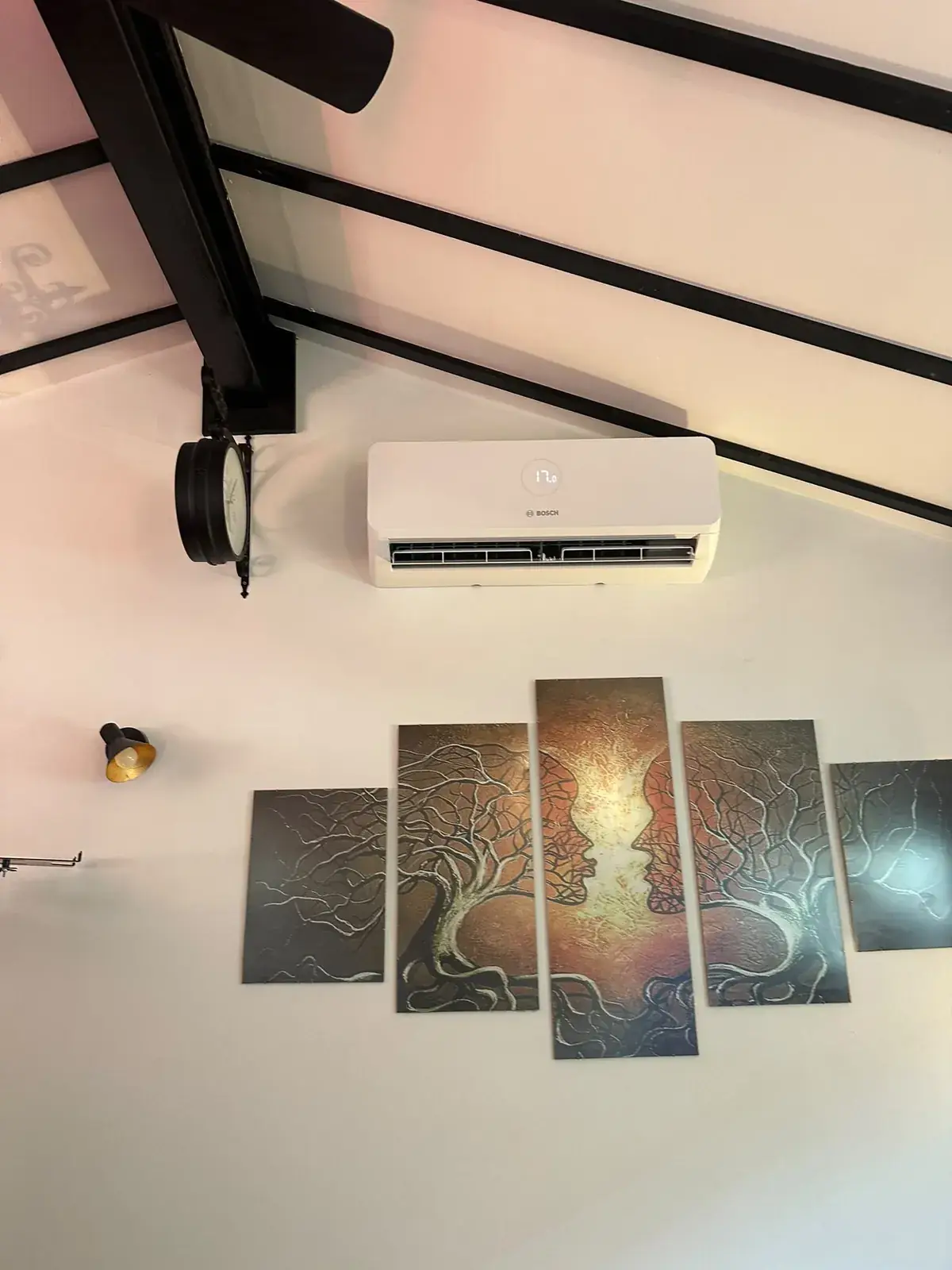
Wall-mounted split
Efficient single-room cooling and heating.
Multi-split
Multiple indoor units connected to fewer outdoor units.
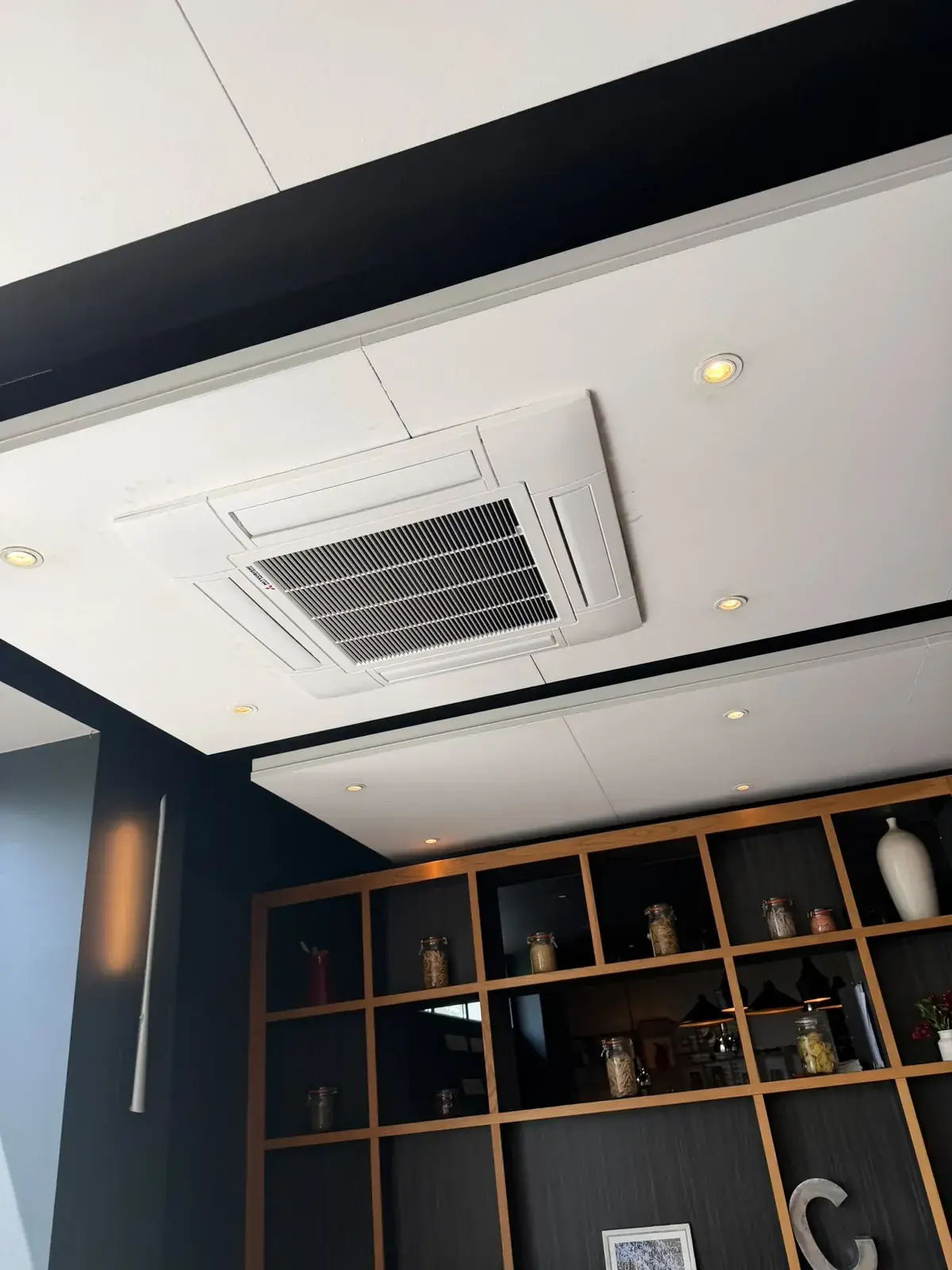
Ceiling cassette
Four-way distribution for larger and commercial spaces.
Ducted
More discreet air distribution through concealed ductwork.
VRF / VRV
Flexible multi-zone commercial climate control.
Internal / no outdoor unit
A specialist option to investigate where external condensers are restricted — subject to project suitability.
REAL PROJECTS
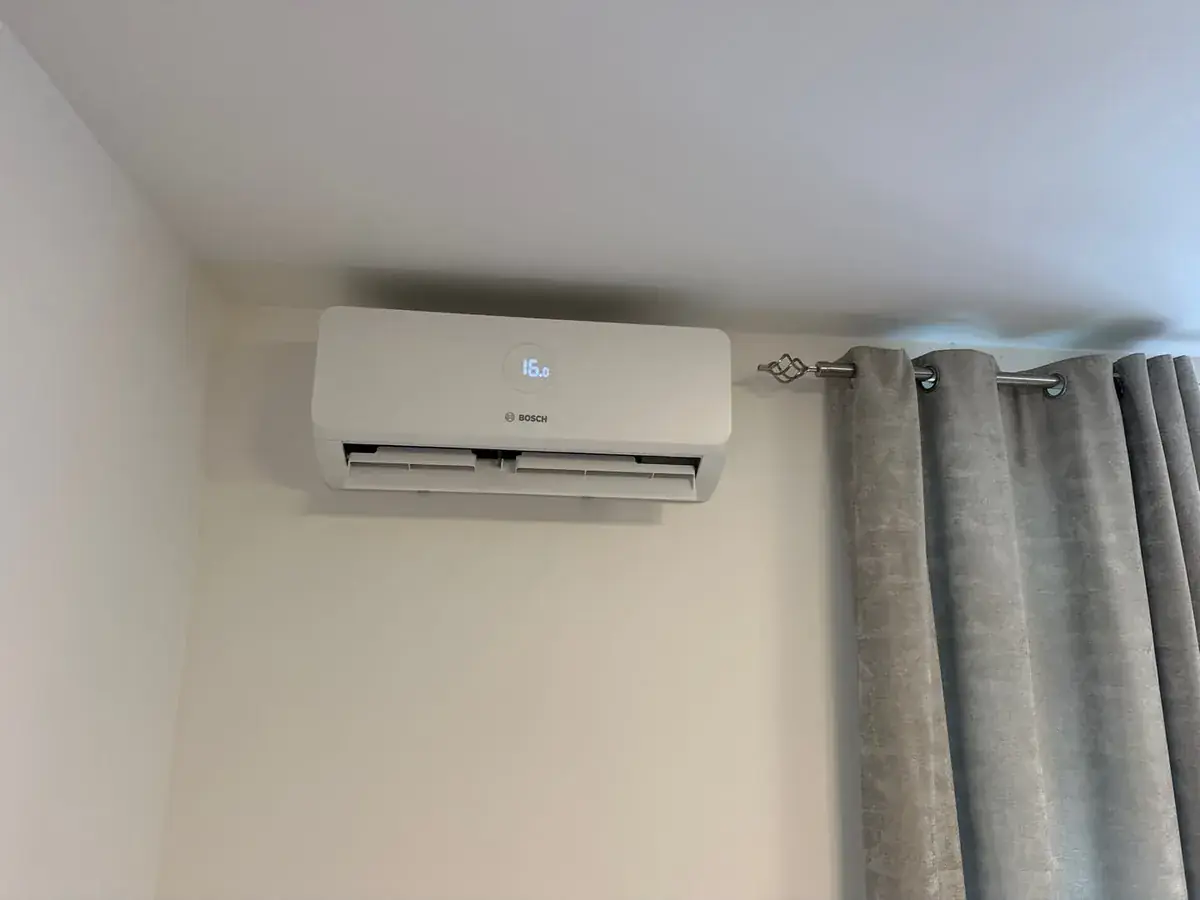
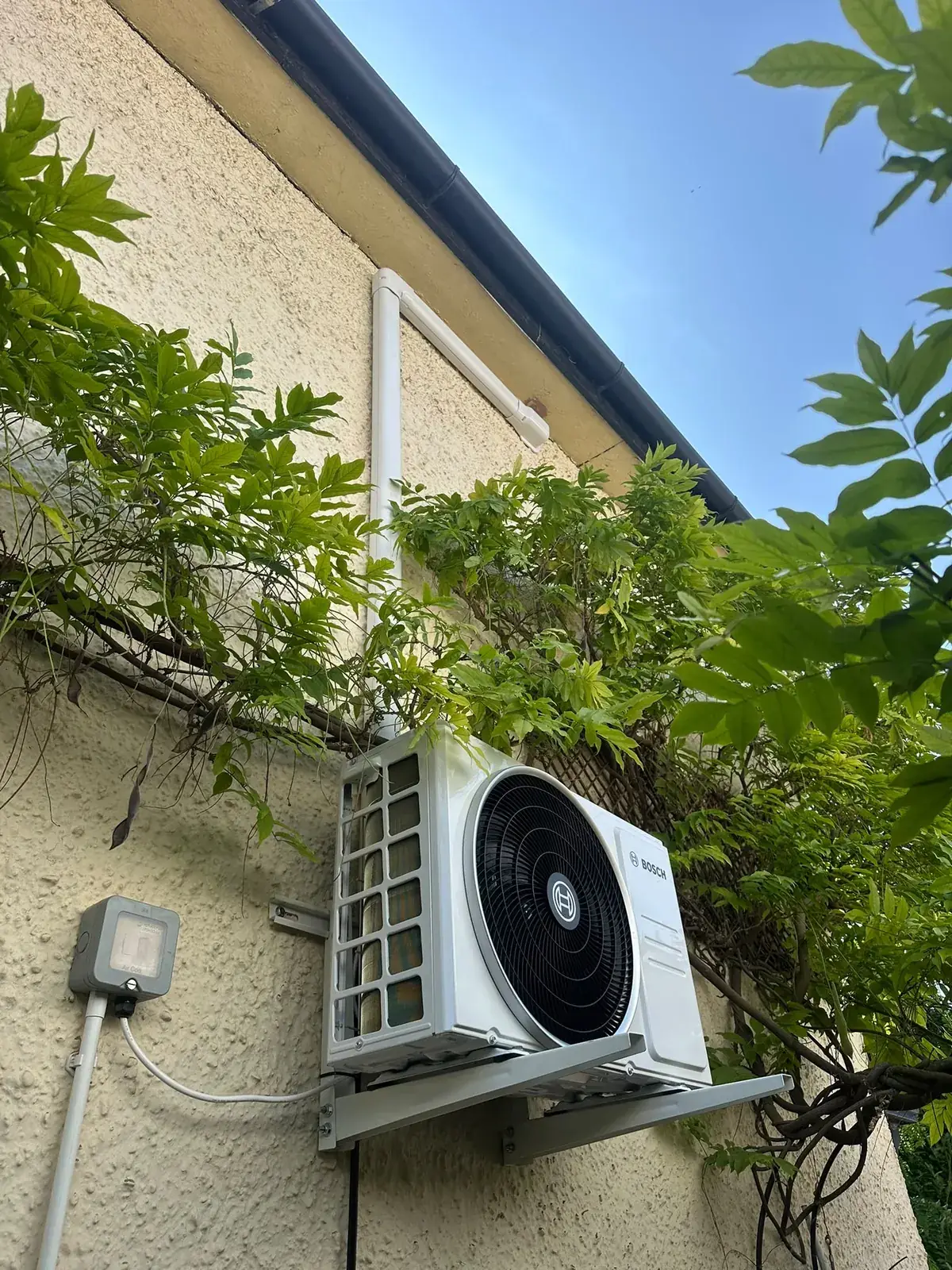
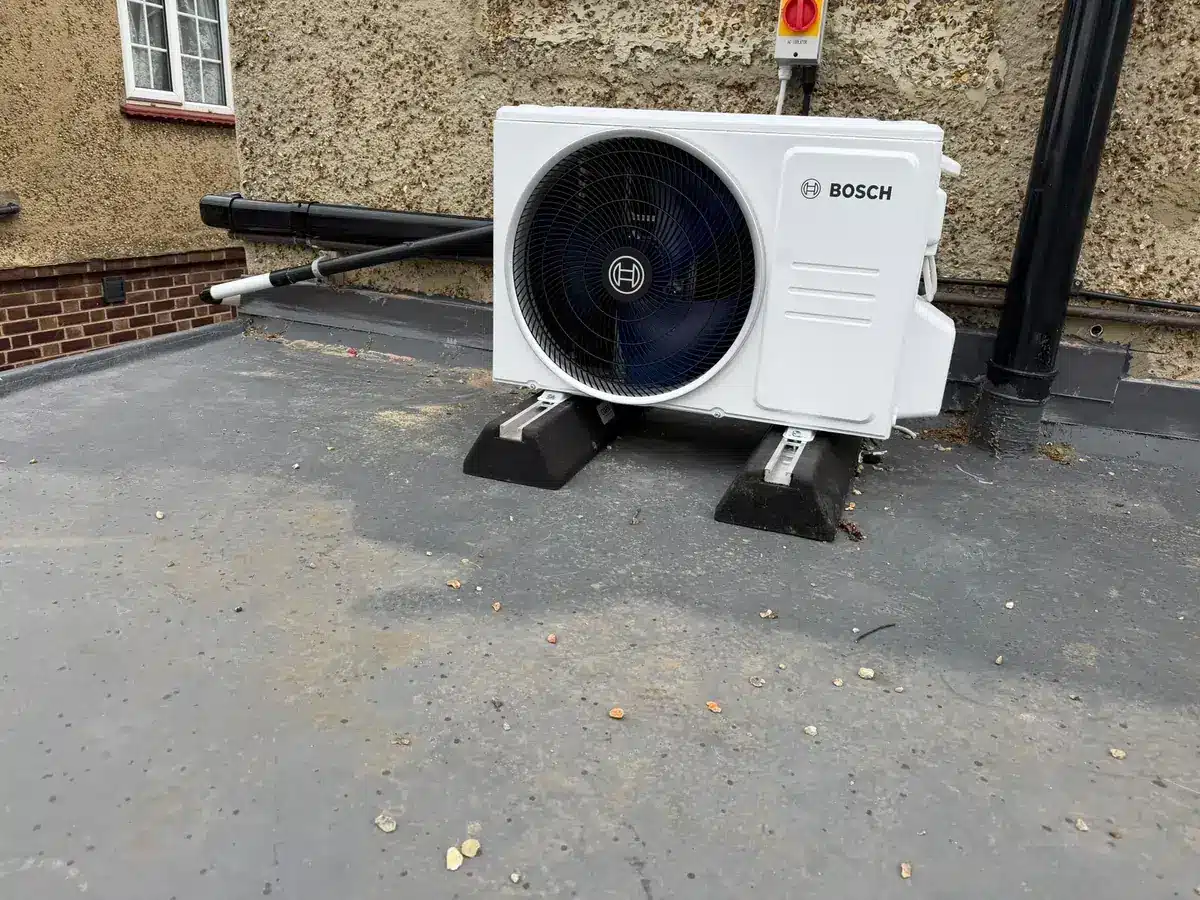
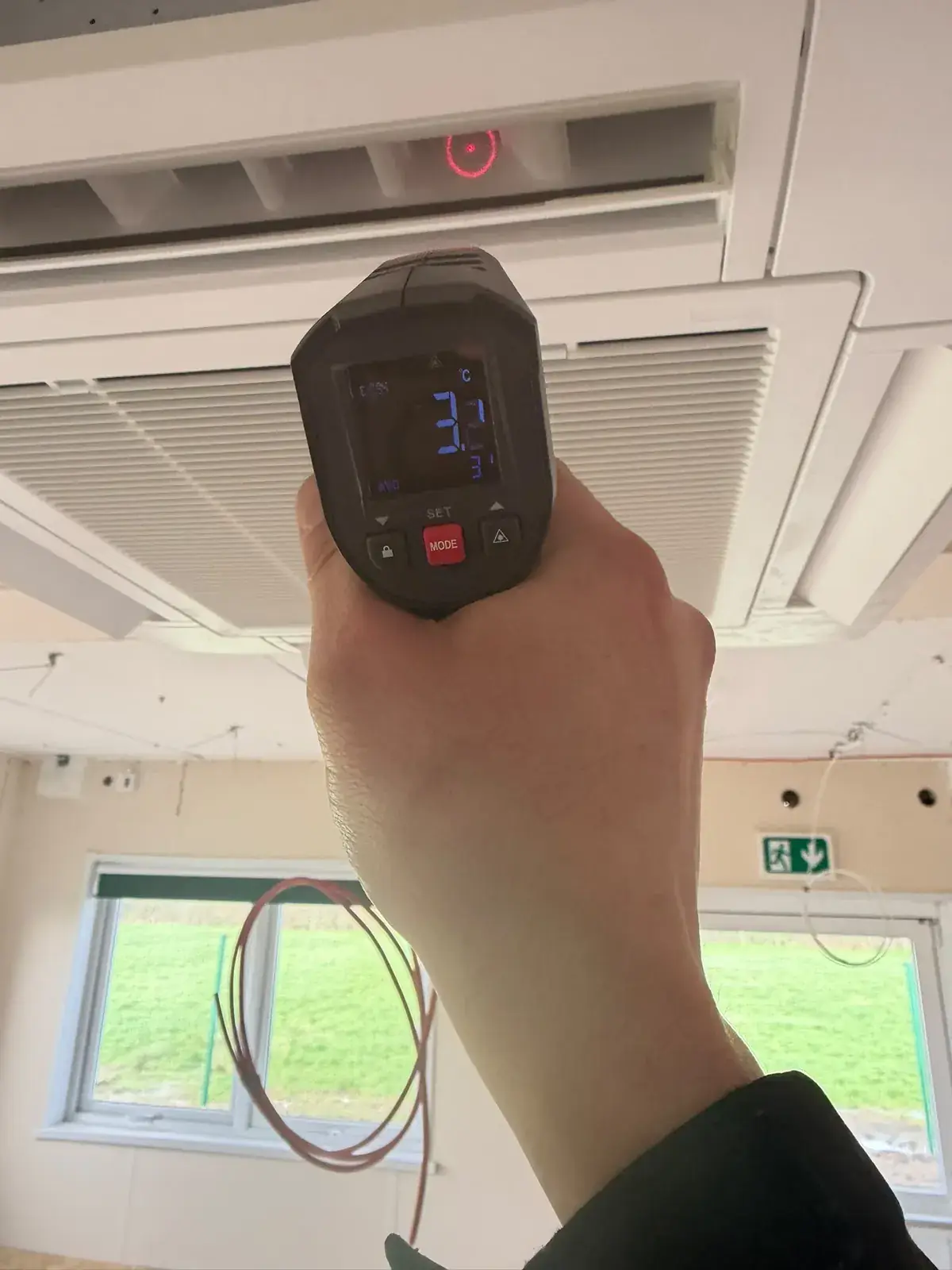
Real installations. Not a stock-photo showroom.
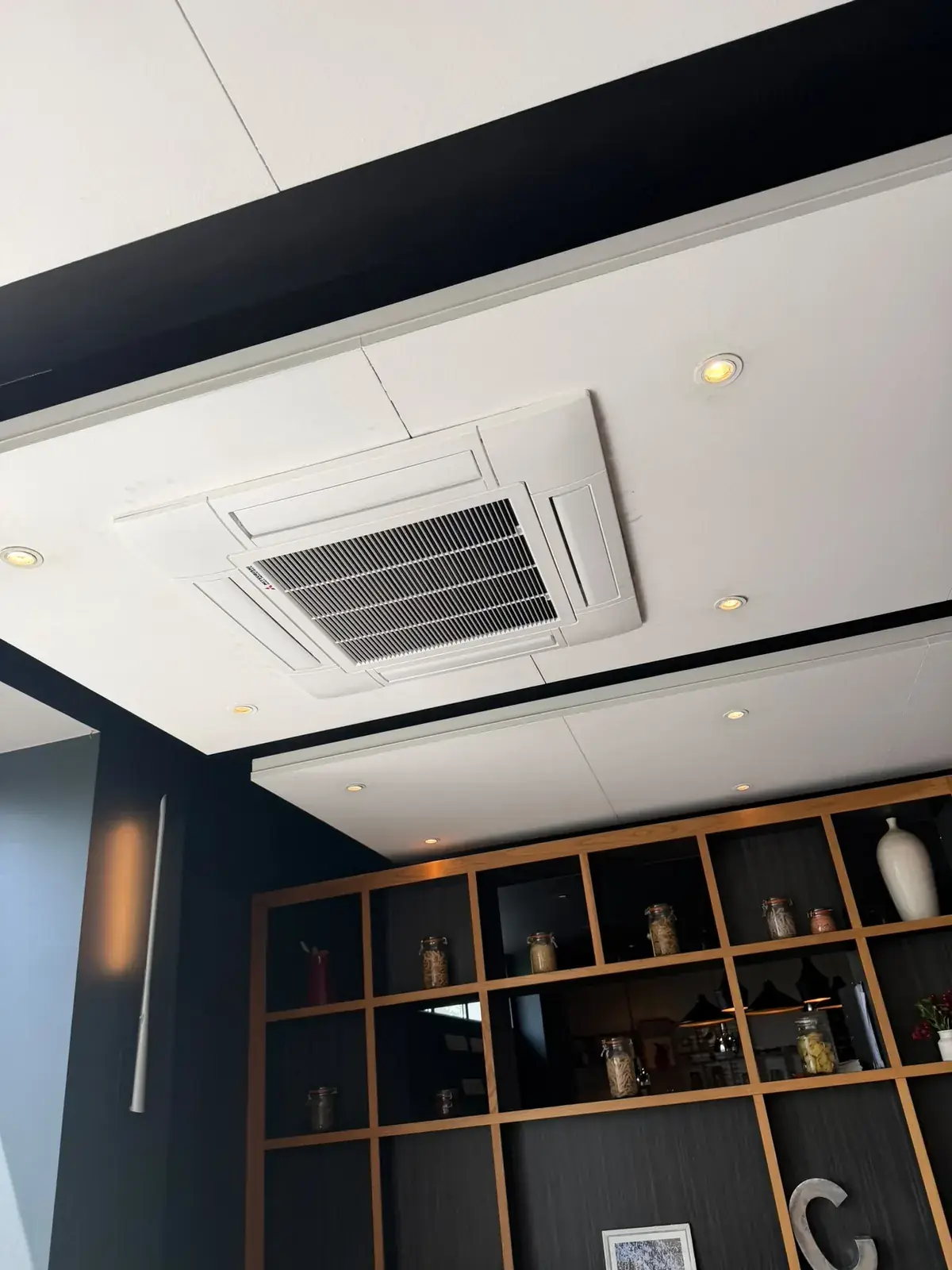
Climate control integrated into the room.
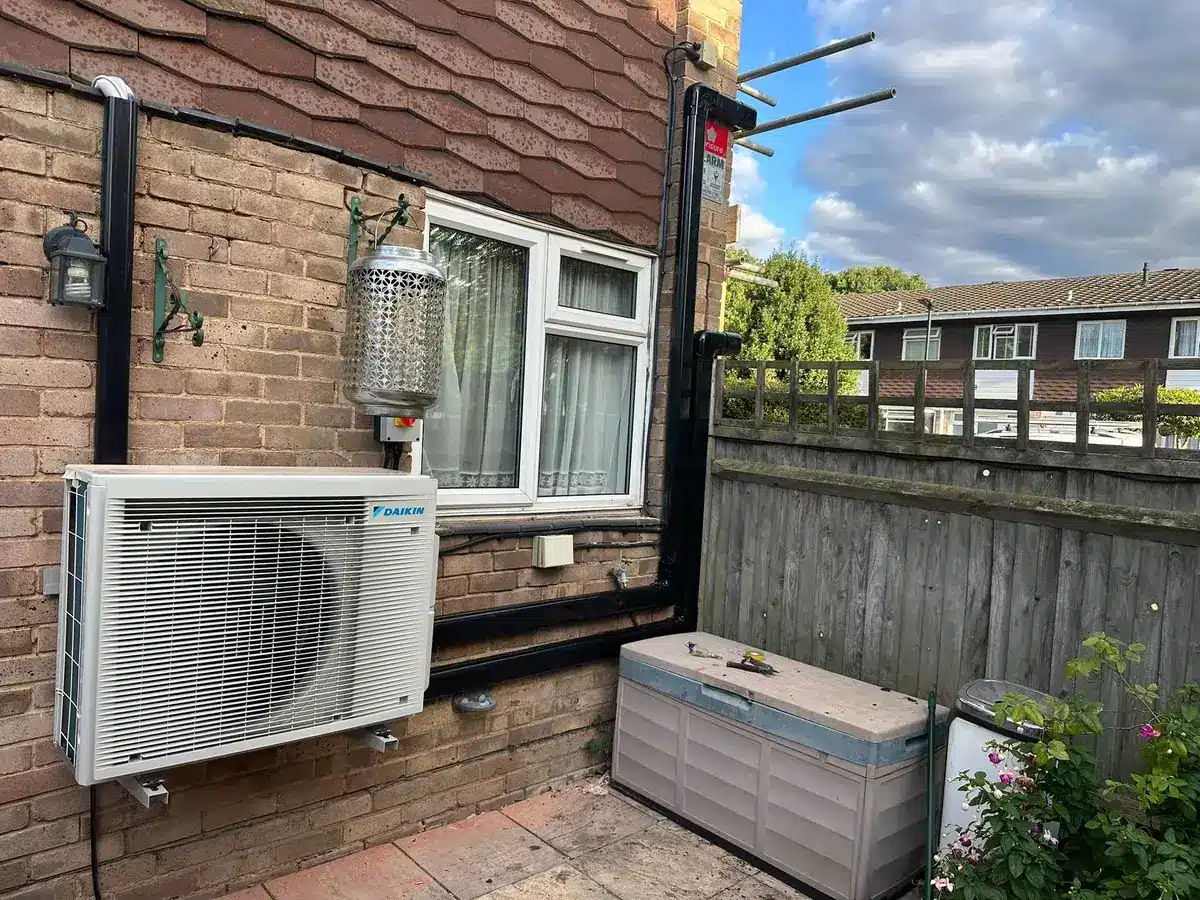
Practical positioning with service access.
WHY COMFORT
Clear answers before anyone talks about equipment.
Property-first advice
Room use, layout, positioning and constraints before equipment choice.
Residential + commercial
Different journeys for homeowners and building operators.
Repair + maintenance
The relationship continues after installation.
London focus
Content designed around the realities of London property.
CHOOSING AIR CONDITIONING IN LONDON
What should you compare before asking for a quote?
Most people start with a room that is too hot, an office that is uncomfortable, a system that has stopped cooling, or a property where they are unsure an outdoor unit can be installed. A useful survey should answer those questions before equipment is selected.
Room size, glazing & heat gain
Indoor-unit position & airflow
Outdoor-unit location & noise
Pipework & condensate drainage
Electrical requirements
Heating as well as cooling
Heat load matters more than floor area alone
A sunny loft bedroom, a ground-floor living room and a server room can be the same size but have completely different cooling requirements. Orientation, roof exposure, glazing, occupancy, computers, kitchen equipment and insulation all change the load.
Plan the visible parts before installation day
Indoor position, external condenser location, pipe routes, drainage and service access all affect the finished result. In London flats, terraces and period properties, those details can be as important as the equipment itself.
HOME AIR CONDITIONING LONDON
Bedrooms, lofts, flats and living spaces need different answers.
Bedroom air conditioning
Quiet operation, correct sizing and airflow that does not blow directly across the bed.
Loft air conditioning
Roof exposure, glazing and insulation can create much higher summer heat gains.
Flat & apartment AC
Balconies, façades, lease conditions, planning and neighbour noise can influence the solution.
Living room AC
Open-plan layouts and large glazing often need different capacity and air distribution.
Home-office cooling
Computers and all-day occupancy add heat; low noise and desk position matter.
Multi-room air conditioning
Compare individual splits, multi-split arrangements and concealed systems by layout and external space.
COMMERCIAL AIR CONDITIONING LONDON
Offices, hotels, restaurants, retail and server rooms are not the same job.
Commercial systems should reflect occupancy, operating hours, internal heat gains, zoning, maintenance access and the consequence of downtime.
Workspaces
Open-plan areas, meeting rooms, zoning and draught control.
Hospitality
Guest comfort, multiple zones and service access.
Restaurants
Kitchen heat, dining comfort and long opening hours.
Shops
Trading continuity, lighting loads and customer comfort.
Server rooms
Equipment heat and a much higher consequence of cooling failure.
AIR CONDITIONING REPAIR LONDON
The fault usually starts as a symptom.
Running but not cooling
Check cooling mode, target temperature and obvious filter blockage; sudden loss of performance needs diagnosis.
Water leaking
Condensate drainage, pumps, blockages and icing can all be relevant.
Error code
Record the exact code and equipment model rather than repeatedly resetting the system.
Weak airflow
Filters, fan operation, icing and airflow restrictions are possible causes.
Noise or vibration
A new rattle, buzz or vibration should be investigated before it develops.
System keeps tripping
Repeated electrical trips should not be bypassed or repeatedly reset without diagnosis.
AIR CONDITIONING LONDON FAQ
Questions people ask before they book.
Price depends on room count, capacity, system type, pipe run, drainage, electrics, access and outdoor-unit position. A survey allows a written quote based on the actual property.
A single split may suit one room; multi-split can serve several rooms with fewer outdoor units; internal systems may be worth investigating where external condensers are restricted. The property decides the answer.
Yes, where a suitable installation route exists. Quiet operation, sizing and airflow direction are particularly important in bedrooms.
Many modern fixed split systems are reversible heat pumps and provide both cooling and heating.
Conventional split and multi-split systems normally do. Internal/no-outdoor-unit products exist for some applications but should be assessed against the property.
Sometimes. Flats, listed buildings, conservation areas and visible external equipment can require additional checks. Confirm the actual property before work starts.
It depends on use and environment. A lightly used home unit and a restaurant, office or server-room system should not automatically follow the same schedule.
Consider the fault, repair cost, age, reliability, efficiency and suitability for the space. Diagnosis should come before replacement advice.
A single split normally connects one indoor unit to one outdoor unit. Multi-split connects several indoor units to one outdoor system.
Postcode, property type, rooms involved, approximate sizes if known, photos of likely indoor/outdoor locations and your goal. For repairs, add the model and any error code.
AIR CONDITIONING INSTALLATION LONDON
A good installation starts before anyone drills a hole.
London buyers searching for an air-conditioning installer are usually comparing more than brands. They want to know what will fit, where the equipment can go, what the finished installation will look like and whether the proposed system will actually cope with the room on the hottest days.
Heat gain and sizing
Floor area is only the starting point. Roof exposure, large windows, orientation, insulation, occupancy, computers and kitchen equipment can all change the cooling load. A loft bedroom and a shaded ground-floor bedroom of the same size can need different solutions.
Indoor-unit position
The unit needs to distribute air effectively without creating an uncomfortable draught across a bed, sofa or desk. It should also remain accessible for cleaning and servicing.
Outdoor condenser
External equipment needs airflow and future service access. On London flats and terraces, neighbour noise, balconies, façades, roofs and limited external space can make the condenser position one of the most important parts of the survey.
Pipework route
Refrigerant pipes, cables and condensate drainage need a route that is technically sound and visually acceptable. A short route through an external wall is different from a multi-room installation crossing finished interiors.
Condensate drainage
Air conditioning removes moisture from the air. That water needs somewhere reliable to go. Gravity drainage is preferable where practical; pumps can solve difficult routes but add another component that needs access and maintenance.
Electrical supply
The electrical requirement depends on the equipment and installation. It should be identified in the quotation rather than appearing as an unexpected extra once the project has started.
RESIDENTIAL AIR CONDITIONING LONDON
Bedroom, loft, flat or whole home — the room changes the answer.
Residential air-conditioning searches are often room-specific because the comfort problem is room-specific. The best system for a quiet bedroom is not automatically the best answer for a glass-heavy living room or a loft conversion that stores heat all afternoon.
Bedroom air conditioning
Low sound levels, correct capacity and airflow direction matter. The indoor unit should not blast cold air directly across the bed.
Living-room air conditioning
Open-plan layouts, large glazing and connected kitchens can create higher heat loads and more demanding airflow patterns.
Loft air conditioning
Roof exposure and solar gain can make top-floor rooms much hotter than the rest of the home. Outdoor-unit routes can also be less straightforward.
Flat / apartment AC
Balconies, leases, freeholder requirements, external façades, planning and neighbour noise can influence which systems are practical.
Home-office cooling
Computers and all-day occupancy add heat. Quiet operation and an indoor position that avoids the desk are useful priorities.
Multi-room air conditioning
Separate splits, multi-splits and concealed systems each have advantages depending on room count, layout, controls and available outdoor space.
Can air conditioning heat the room as well?
Many fixed split systems are reversible heat pumps, so they can provide cooling in summer and heating in cooler weather. That does not mean they are the right primary heating solution for every property, but heating capability is worth comparing when selecting equipment.
What about portable air conditioners?
Portable units can be useful where permanent installation is not possible, but they are not the same proposition as fixed split air conditioning. They normally need a hot-air exhaust route, occupy floor space and can be noisier in the room. For regular use, fixed systems are usually considered because the noisy compressor can be outside and the indoor equipment is designed as part of the room.
COMMERCIAL AIR CONDITIONING LONDON
The building use matters as much as the square metres.
Commercial air conditioning needs to reflect occupancy, operating hours, equipment heat, zoning, access and the consequence of failure. A restaurant, office and server room should not receive the same generic specification.
Office air conditioning
Open-plan zones, meeting rooms, people and computer loads
Restaurant AC
Long hours, kitchen heat and customer comfort
Hotel AC
Guest rooms, common areas and multiple independent zones
Retail AC
Trading continuity, lighting loads and customer-facing comfort
Server-room cooling
Continuous equipment heat and higher consequence of failure
Gym air conditioning
High occupancy, activity levels and ventilation interaction
Healthcare spaces
Quiet occupied environments and predictable control
Education
Variable occupancy and rooms used for long periods
Commercial maintenance should be designed with the installation
A system that is difficult to access will also be difficult to maintain. Commercial surveys should consider filters, panels, condensate, outdoor equipment and controls from the beginning, not only how the finished installation looks on handover day.
AIR CONDITIONING REPAIR LONDON
People search for the symptom they can see.
A useful repair section should help the customer explain the problem without pretending to diagnose a refrigeration system through a webpage.
AC not cooling
Check the operating mode and set temperature. Sudden loss of cooling, icing or weak airflow needs diagnosis rather than a lower thermostat setting.
AC leaking water
Drainage blockages, pumps, icing and installation fall can all be relevant. Stop the unit if leaking water could damage electrics or finishes.
AC has no power
Check normal controls and supply, but repeated breaker trips or immediate shutdowns should not be repeatedly reset without finding the cause.
Noisy air conditioning
New rattles, vibration, fan contact or pump noise are more useful diagnostic clues than simply saying the unit is loud.
Weak airflow
Dirty filters are one possibility, but fan, coil, duct and other faults can produce similar symptoms.
Error code
Record the exact code, manufacturer and model rather than clearing it repeatedly. That information can speed up fault investigation.
Outdoor unit not running
The cause can range from control conditions to electrical or component faults. Do not open electrical covers to investigate it yourself.
AC tripping electrics
Repeated tripping is a reason to stop resetting the circuit and arrange proper investigation.
Bad smell
Musty smells can relate to moisture or contamination. Burning or electrical smells warrant switching the equipment off.
AIR CONDITIONING MAINTENANCE LONDON
One-off servicing and commercial PPM solve different problems.
A homeowner may want a seasonal check. A facilities manager may need an asset-based programme across dozens of units. The page should make both routes clear.
Filters
Restricted filters can reduce airflow, but a service should not assume every performance issue is caused by dirt.
Coils and airflow
Contamination and airflow conditions can reduce heat transfer and make the system work harder.
Condensate
Drainage routes and pumps where fitted deserve attention because small drainage problems can become damaging leaks.
Controls
Modes, schedules and set points affect comfort and energy use. A control problem can sometimes look like an equipment fault.
Outdoor equipment
Condenser airflow, damage, obstruction and access all affect operation and future maintenance.
Commercial asset records
For larger portfolios, knowing what is installed, where it is and what condition it is in is the foundation of useful PPM.
How often should air conditioning be serviced?
There is no sensible single interval for every system. A lightly used bedroom unit has a different duty from restaurant, office or server-room equipment running for long hours. Manufacturer requirements, environment, usage and criticality should shape the schedule.
AIR CONDITIONING COST LONDON
What actually changes the installation price?
Publishing an invented “from” price may attract clicks but it does not help a buyer compare real projects. These are the factors that normally change the scope.
Number of rooms
One room and four rooms require different equipment, controls and installation time.
System type
Single split, multi-split, cassette, ducted and VRF/VRV projects have different equipment and labour requirements.
Pipe distance
Longer or concealed routes increase materials, labour and making-good considerations.
Outdoor access
Low-level rear-wall access is different from roof, high-level or restricted-balcony work.
Drainage
Gravity drainage and pumped condensate routes create different installation and maintenance requirements.
Electrical work
The existing supply and selected equipment determine what electrical work is needed.
MORE QUESTIONS PEOPLE ASK
Useful answers before you arrange a survey.
Often yes, but the practical route depends on external space, lease or freeholder conditions, façade restrictions, condenser noise and whether the proposed alterations need additional permission.
Additional restrictions can apply, particularly to external alterations. The actual property and proposed condenser position need checking rather than relying on a generic answer.
Internal or no-outdoor-unit systems exist for some applications. They can help where conventional condensers are restricted, but capacity, sound, wall openings and room layout still need assessment.
A cassette is normally recessed into a ceiling and distributes air in several directions. It is common in commercial and larger open spaces where ceiling void and service access are available.
Ducted systems conceal more of the equipment and distribute conditioned air through grilles. They can provide a discreet finish but require suitable ceiling or service space.
VRF/VRV describes variable-refrigerant-flow systems designed to serve multiple indoor zones from larger outdoor systems. They are commonly considered for larger commercial and multi-zone buildings.
Running cost depends on equipment efficiency, room load, set temperature, hours of use and maintenance condition. Correct sizing and sensible controls matter more than a single generic running-cost figure.
A straightforward single-room split is very different from a multi-room, ducted or commercial project. Access, routes, electrics and finishing work all affect duration.
Start with diagnosis. Consider the fault, age, reliability history, efficiency, overall condition and whether the existing system still suits the room. Replacement should be a conclusion, not the starting assumption.
Postcode, property type, rooms involved, approximate dimensions if known, photos of possible indoor/outdoor positions and what you want the system to achieve. For a fault, add the manufacturer, model and exact error code if displayed.
READY TO TALK?
Request a free survey.
Tell us the postcode, property type, rooms or commercial areas involved and what you want the system to achieve.
REAL COMFORT PROJECTS
The finish matters as much as the machine.
Real jobs make the design decisions easier to explain: where units sit, how pipework is handled and what a finished installation actually looks like.
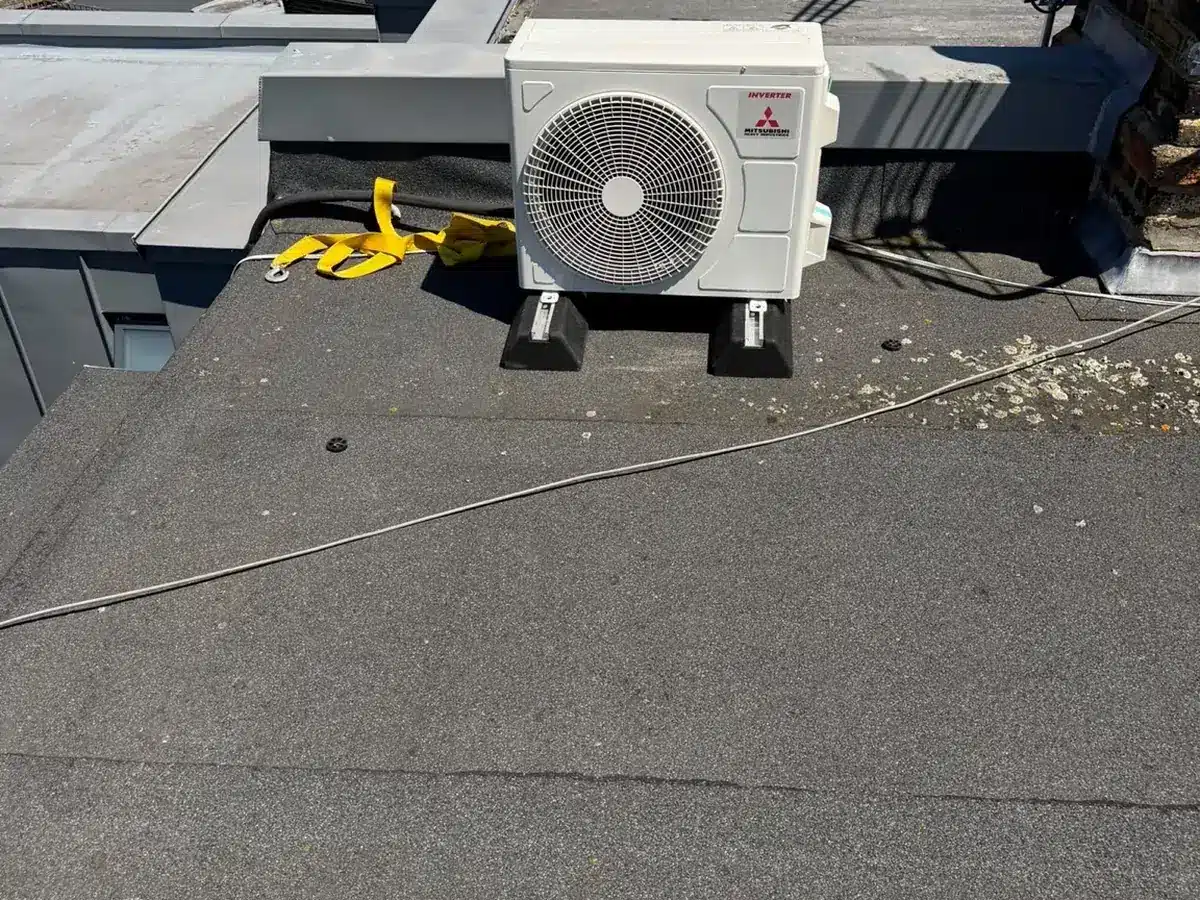
Comfort project · London installation detail
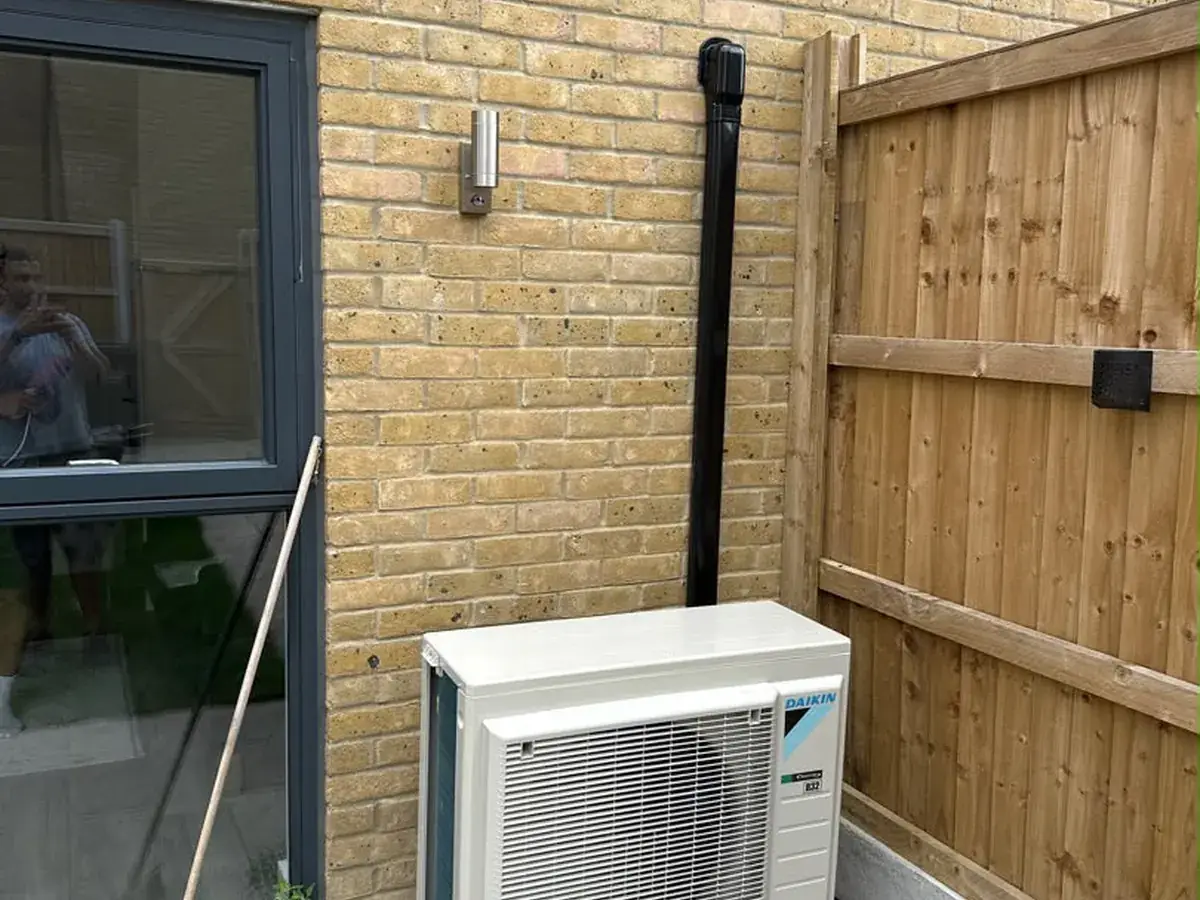
Comfort project · London installation detail
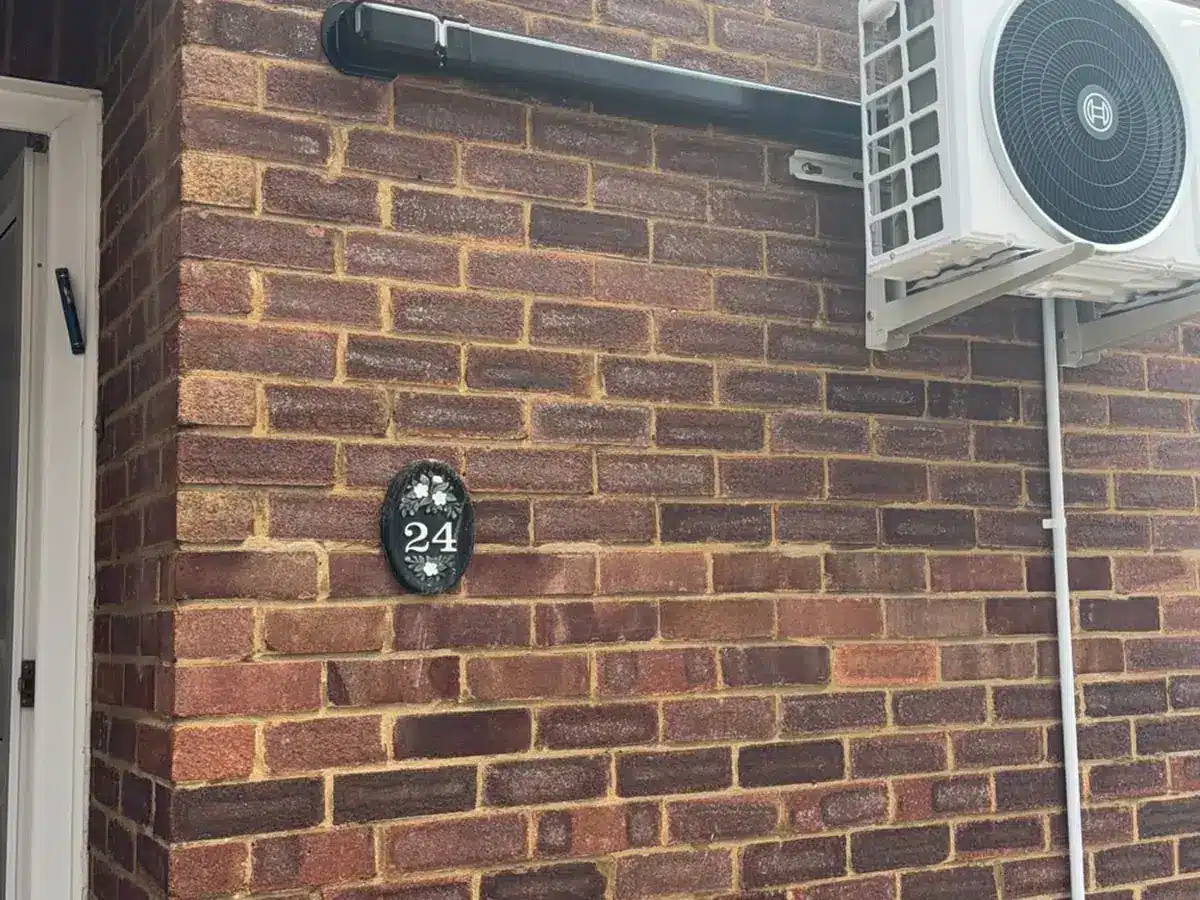
Comfort project · London installation detail
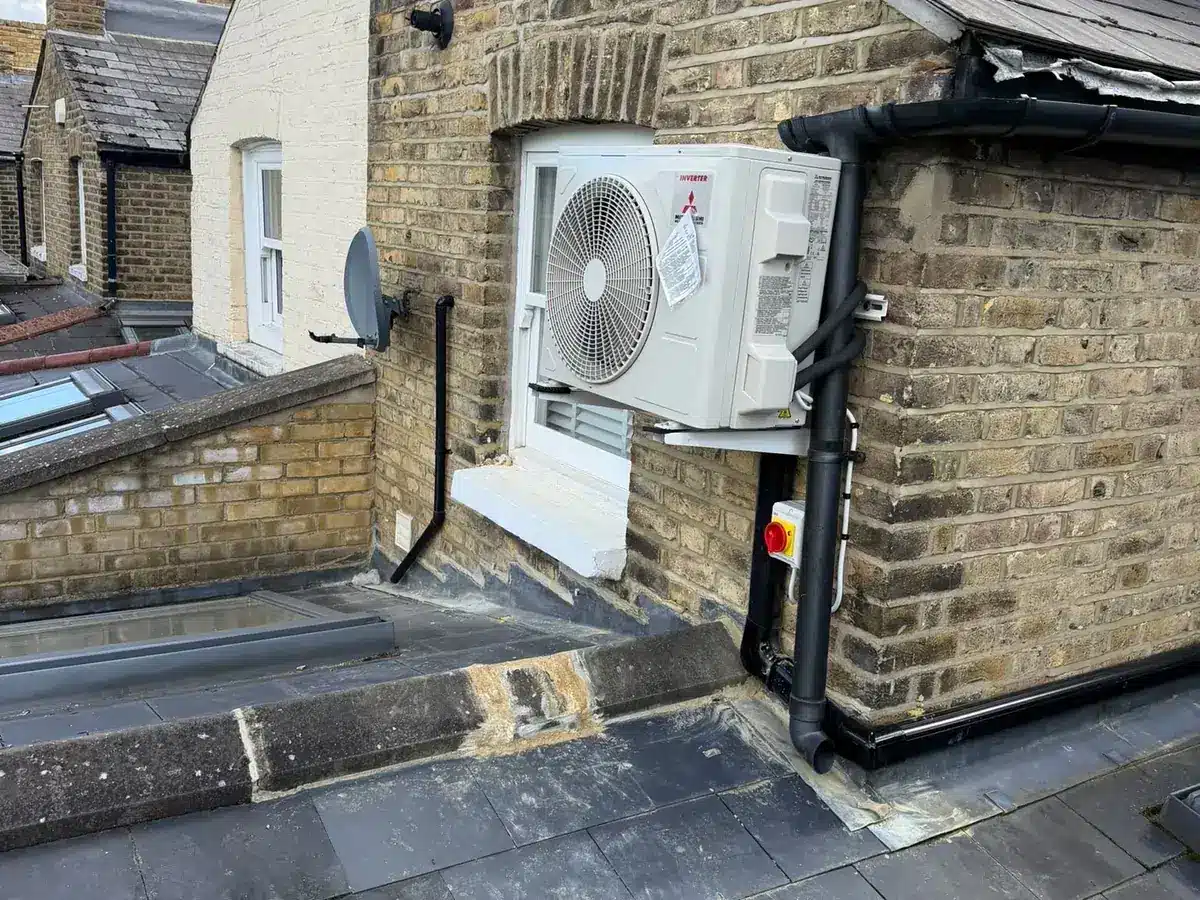
Comfort project · London installation detail
REAL COMFORT PROJECTS
Different properties. Different answers.
The photography stays consistent in size so the site feels calm and branded, while the work itself provides the variety.
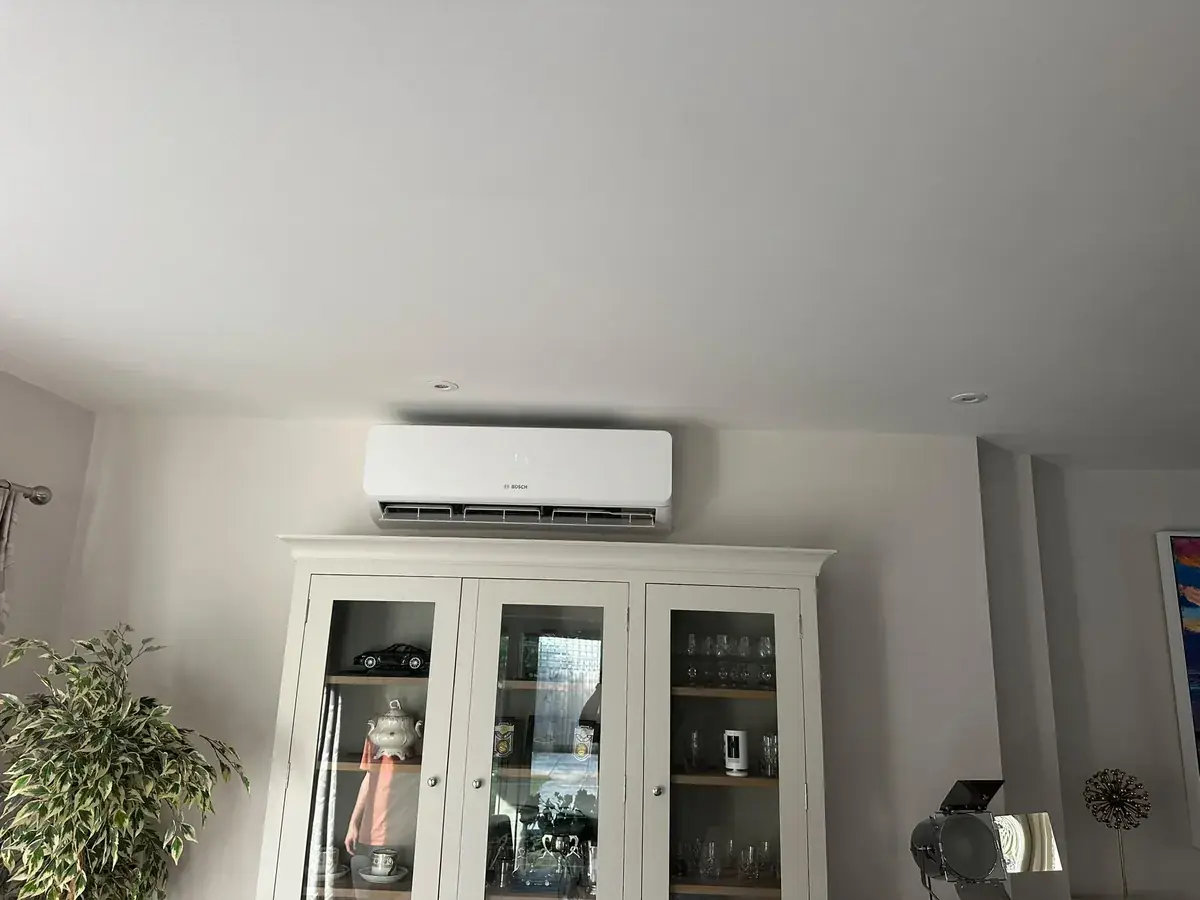
Comfort project · London installation detail
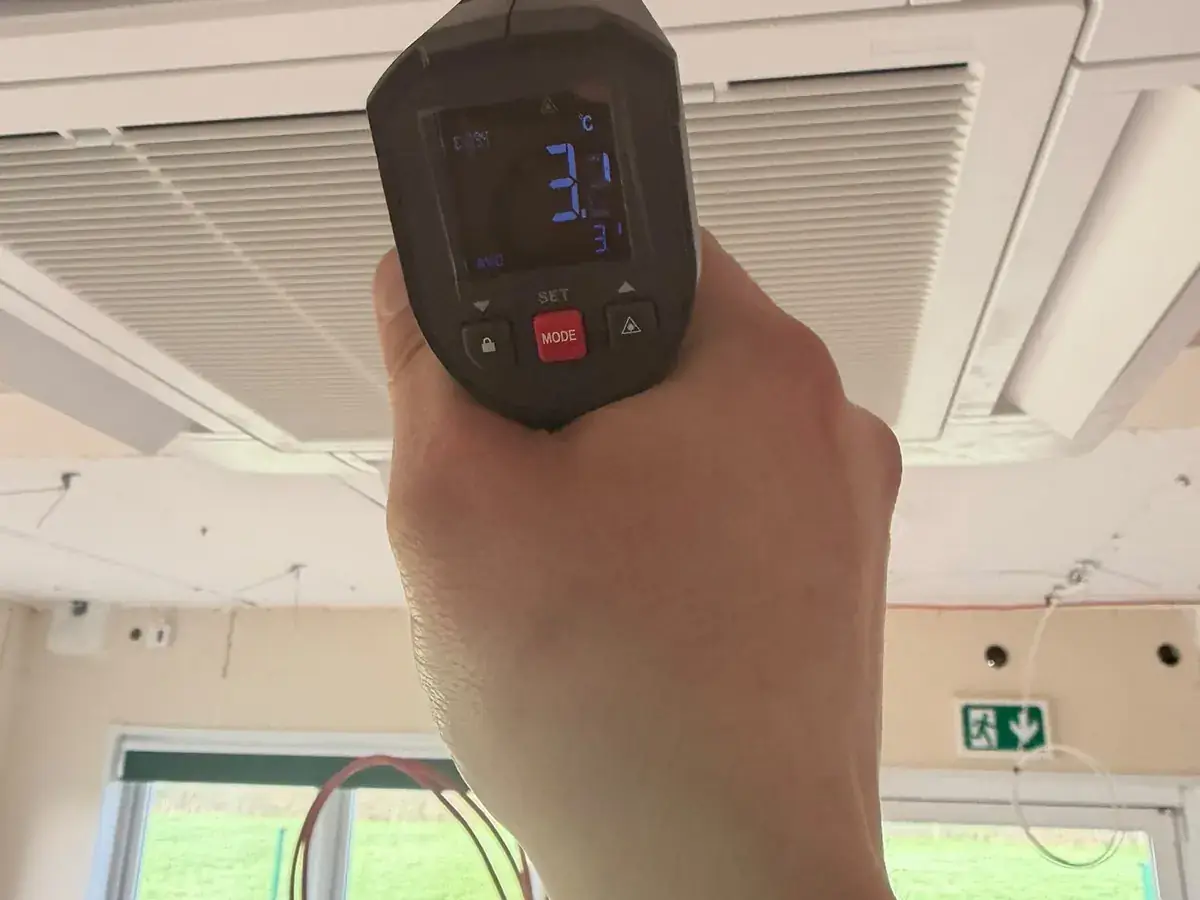
Comfort project · London installation detail
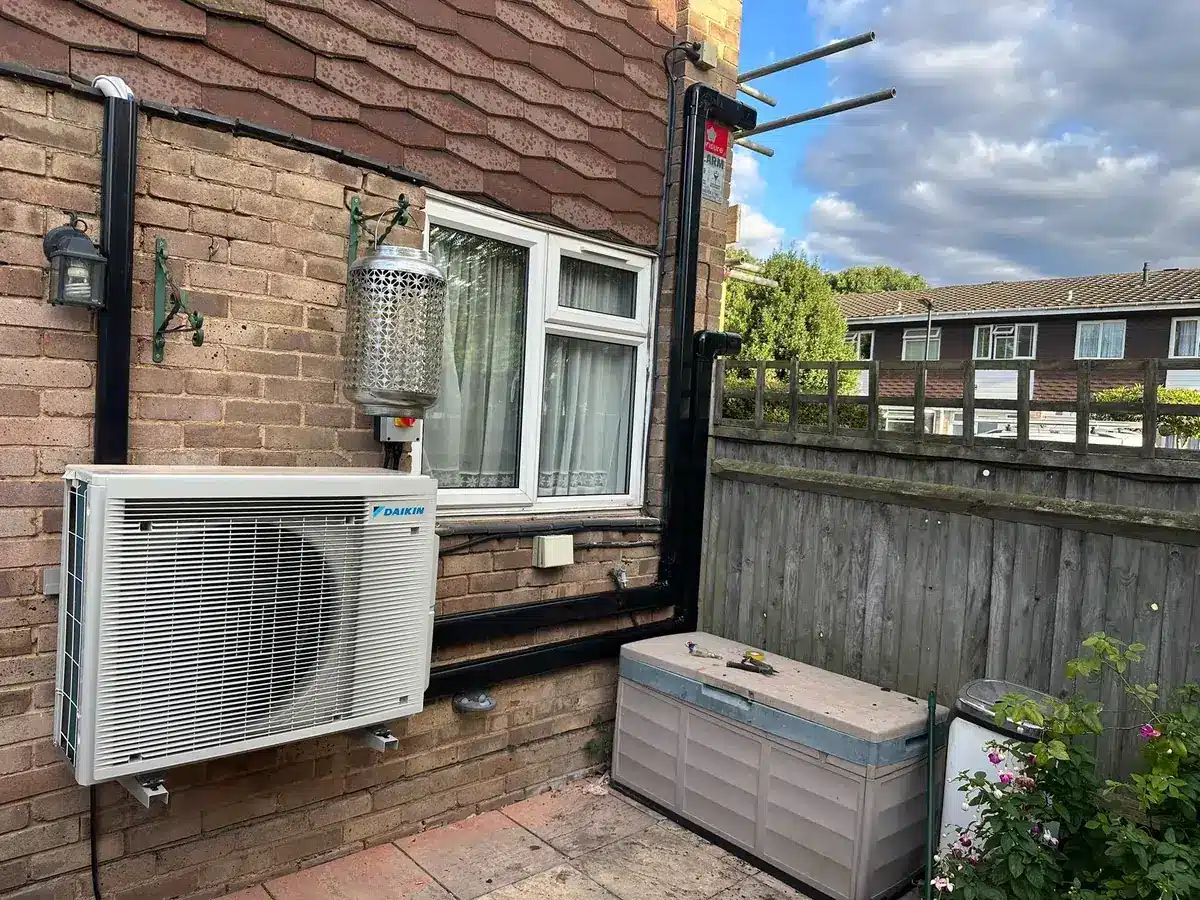
Comfort project · London installation detail
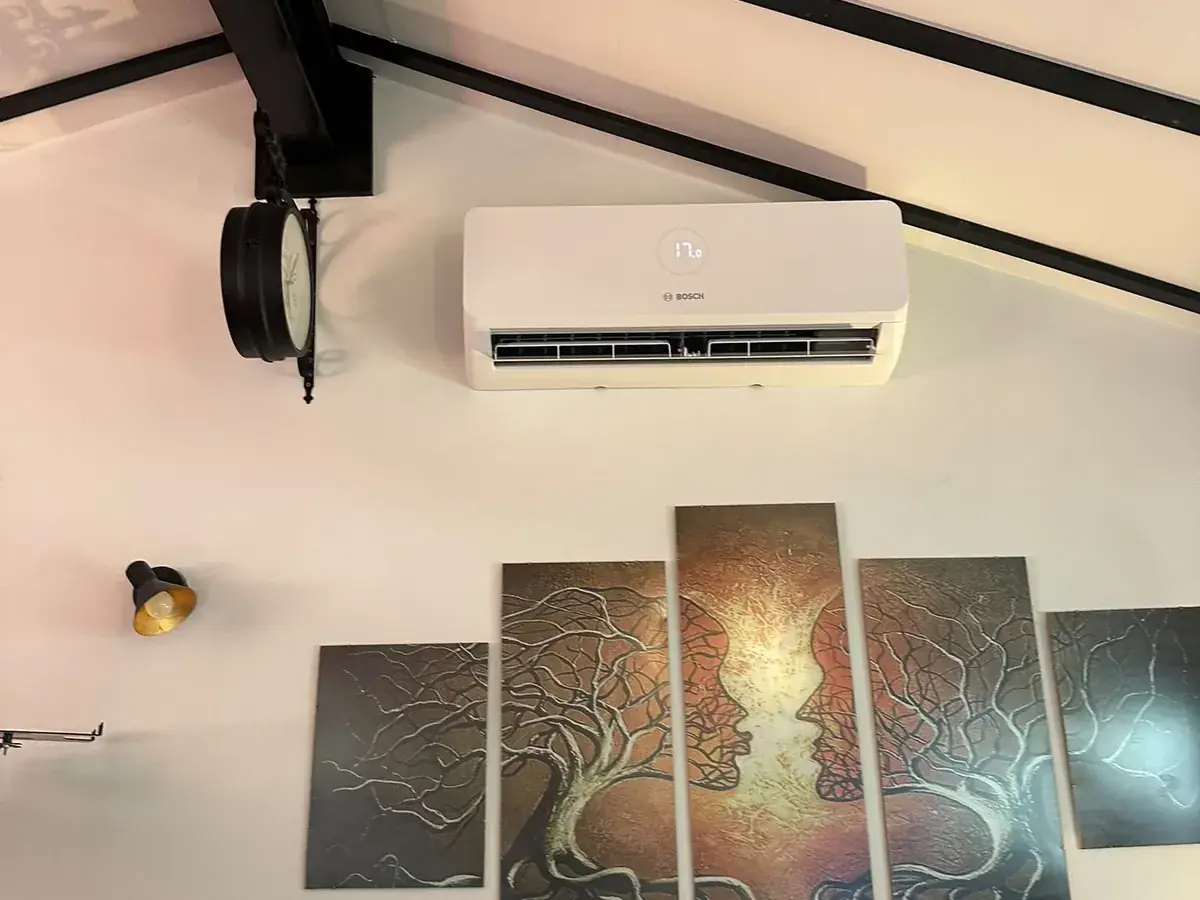
Comfort project · London installation detail